10 Safety Tips for Quintana Roo, Mexico (2026): Cancún, Tulum & Beyond
Quintana Roo receives more foreign tourists than any other Mexican state — tens of millions annually through Cancún International Airport alone. The Caribbean coastline, Mayan ruins, cenotes, and world-class resorts make it irresistible. The state carries a U.S. State Department Level 2 advisory (Exercise Increased Caution), but most tourist areas maintain good safety standards when you follow smart practices.
Tip 1: Know That the Tourist Corridor Is Heavily Secured
The Cancún Hotel Zone (Zona Hotelera), Playa del Carmen's 5th Avenue (La Quinta), and major Tulum resort zones have some of Mexico's highest concentrations of tourist police, private security, and surveillance. These areas are genuinely well-protected. The main risks in tourist zones are petty theft and scams, not violent crime.
Tip 2: Cancún Downtown — Navigate Carefully
The Cancún Hotel Zone (Isla) is very safe; downtown Cancún (El Centro) is a different story. If you visit downtown for local food or markets, go during daylight, use Uber, and keep to the main commercial streets. Avoid Cancún Centro at night unless you know the specific area well.
Tip 3: Tulum — Beach Zone vs. Town
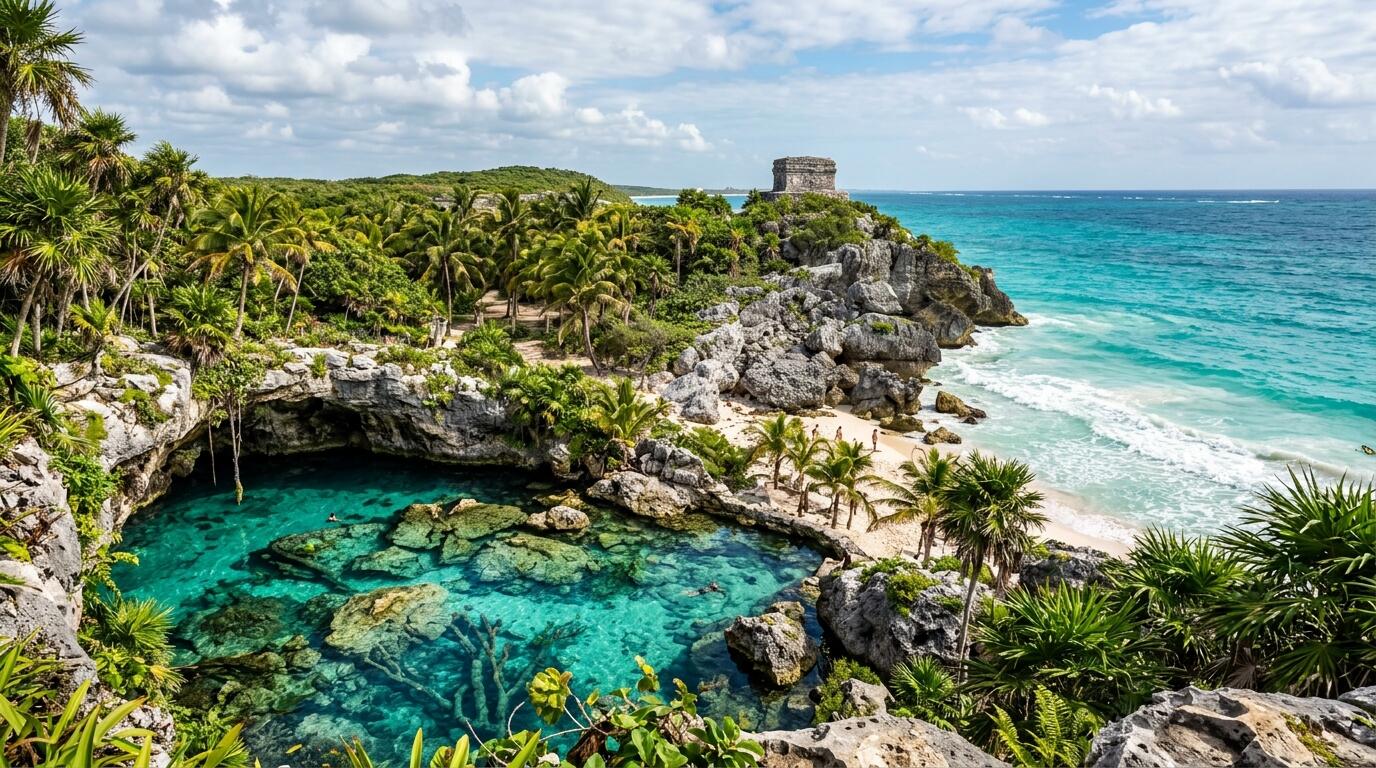
Tulum Beach Zone (the resort strip on the Caribbean) is safe and beautiful. Tulum Town (Pueblo Tulum) has grown rapidly and seen an uptick in crime — particularly theft and occasional violence in the outskirts. Use hotel transport between the beach zone and town. The Tulum Archaeological Site is very safe with normal precautions.
Tip 4: Don't Buy Drugs — Zero Tolerance Policy
Drug use in tourist areas (particularly Tulum) has become notorious, and so has the associated danger. Drug dealers in tourist areas often work with criminal organizations; buyers risk robbery, extortion, or worse. Mexican drug laws are strict — possession can result in arrest. Simply do not engage with this.
Tip 5: Cenote Safety — Physical and Crime Risks
Cenotes are magical but have physical hazards: cold water shock, disorientation in underwater caves, and steep entry points. Only dive or snorkel in cenotes with proper certification and guides. On the crime side, avoid isolated cenotes without staff present. Reputable cenotes (Dos Ojos, Gran Cenote, Ik Kil) are well-staffed and safe.
Tip 6: Transportation — Uber vs. Collectivos vs. ADO
In Cancún: use Uber or official hotel shuttles. In Playa del Carmen: Uber works, licensed taxis on main streets are acceptable. Playa-to-Tulum: ADO first-class bus is the safest intercity option (~1 hour). Collectivos (shared vans) on Highway 307 are used by experienced travelers but have had robbery incidents on isolated stretches — ADO is preferable for tourists.
Tip 7: Beach Safety and Rip Currents
The Caribbean side of Quintana Roo generally has calmer water than the Pacific, but rip currents do occur. The Cancún Hotel Zone beaches have lifeguards and flag systems during peak season. Always check flags: green (calm), yellow (caution), red (no swimming), black (extreme danger/hurricane). Multiple tourist drownings occur annually ignoring red flag warnings.
Tip 8: Hurricane Season Planning
June through November is hurricane season; September and October are peak risk months. Quintana Roo sits directly in the Caribbean hurricane track — Wilma (2005), Dean (2007), and other storms have caused significant damage. Book travel insurance with hurricane cancellation coverage if visiting June-November. Monitor NHC (National Hurricane Center) alerts.
Tip 9: Protect Yourself at ATMs and On the Street
ATM skimming is the most common financial crime affecting tourists in Quintana Roo. Use bank-branch ATMs (BBVA, Banorte, Citibanamex) during business hours only. Cover your PIN. Carry limited cash. In crowded areas (5th Avenue, Cancún Hotel Zone), keep phones in secure inner pockets — phone snatching has increased in 2024-2025.
Tip 10: Know Your Emergency Resources
- Emergency: 911
- Cancún Tourist Police: +52 (998) 885-2277
- Playa del Carmen Police: +52 (984) 877-3340
- Cruz Roja Cancún: +52 (998) 884-1616
- Hospital Hospiten Cancún: +52 (998) 881-3700
- Hospital Galenia Cancún: +52 (998) 891-5200
- U.S. Consulate Cancún: +52 (998) 883-0272
- SECTUR Hotline: 800 987-8224
- Cancún: Hotel Zone (Zona Hotelera) — stay here
- Playa del Carmen: 5th Avenue zone and beach strip
- Tulum: Beach Zone resorts; day trips to ruins
- Cozumel: San Miguel town and western resort strip
- Isla Mujeres: Extremely safe small island — highly recommended alternative to Cancún
- Holbox: Car-free island, very safe, bohemian atmosphere
- Bacalar: The "Lake of Seven Colors" — safe and increasingly popular
- Cancún Airport (CUN): Use hotel shuttles or pre-booked transfers — avoid informal offers at exit
- Hotel Zone to Centro: Uber available
- Cancún to Playa del Carmen: ADO bus (1 hour) or Uber (~45 min highway)
- Playa to Tulum: ADO bus (1 hour) is recommended over collectivos for tourists
- Ferry to Cozumel: From Playa del Carmen — Ultramar and Mexico Waterjets, safe and frequent
Recommended Areas in Quintana Roo
Transportation Summary
Get Your Personalized Safety Assessment
Heading to Quintana Roo? Get a personalized safety assessment for your Cancún, Tulum, or Riviera Maya trip.
Get your personalized safety assessment →