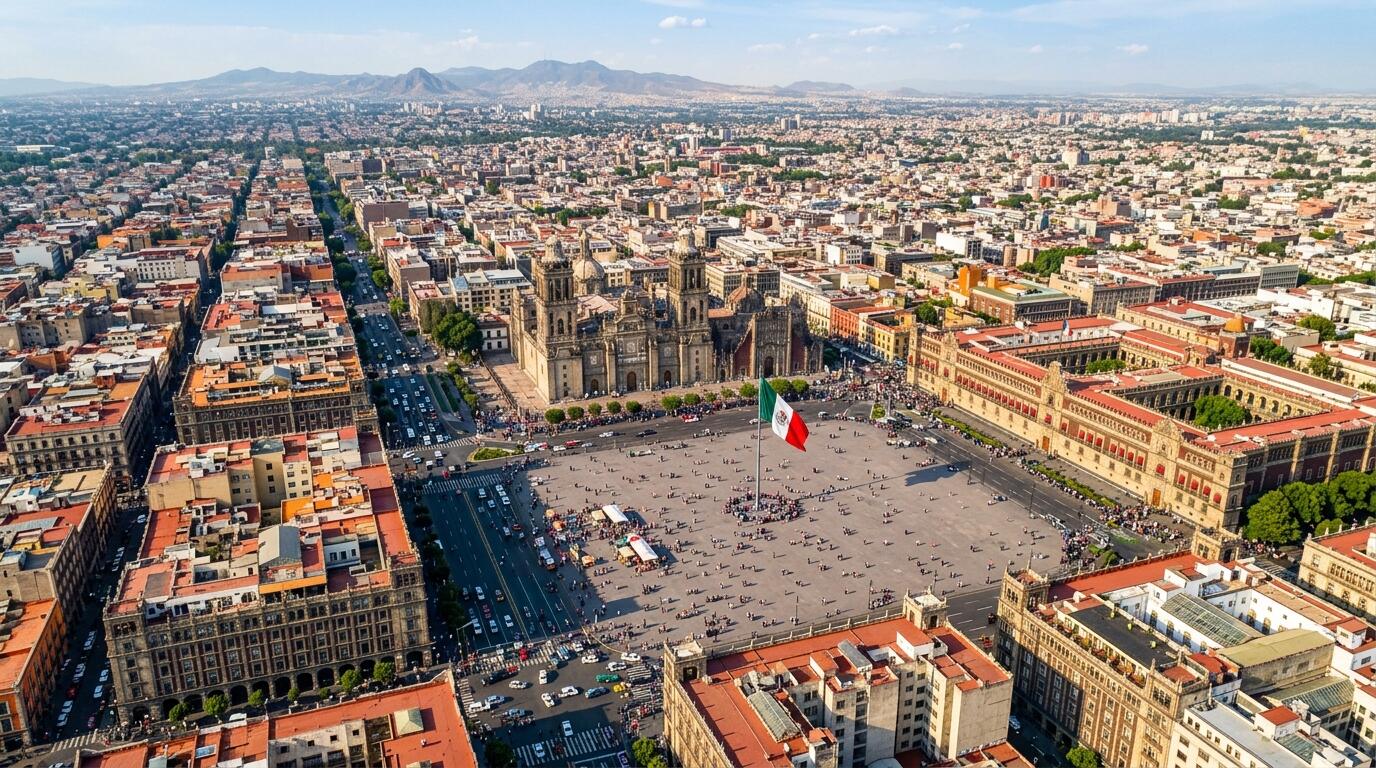
Is Mexico City Safe? Complete Safety Guide 2026

Safe Travel Team · April 4, 2026

Is Mexico City Safe? Complete Safety Guide 2026

Is Mexico City Safe? Complete Safety Guide 2026


Is Mexico City Safe in 2026?

Short answer: Yes — for tourists who know where to go.

Mexico City is one of the world's great megacities: 22 million people, world-class food, culture, nightlife, and art. Millions of international visitors travel to CDMX every year without incident. The city's tourist corridors — Roma, Condesa, Polanco, Coyoacán — are genuinely safe by international standards.

The nuance: Mexico City is enormous. 16 alcaldías, 300+ colonias, dramatically different risk profiles between them. A single block can separate a Michelin-starred restaurant from documented gang activity.

SESNSP 2025 data shows crime declining 5.6% year-over-year. Violent crime affecting tourists is concentrated in peripheral alcaldías — not where you're visiting.

This guide gives you the complete picture: neighborhood-by-neighborhood data, the real risks, transport safety, and a personalized assessment for your specific trip.


Current Safety Status (April 2026)

| Indicator | Status | |-----------|--------| | US State Dept Advisory | Level 2 — Exercise Increased Caution | | SESNSP Crime Trend (2025) | -5.6% YoY (-12,549 incidents) | | Overall crime rate/100k | 2,281 (down from 2,418 in 2024) | | Homicide share of total crime | 0.7% | | Tourist corridor risk level | Low–Moderate |

Context on Level 2: France, Germany, the UK, and Belgium are all Level 2. This advisory applies to the entire city — including the peripheral alcaldías that drive the statistics. The colonias where 99% of tourists spend 99% of their time have a fundamentally different profile.


Mexico City Neighborhood Safety Guide

✅ VERY SAFE — Tourist Priority Zones

#### Roma Norte & Roma Sur The heart of international CDMX. Tree-lined streets, independent cafés, galleries, world-class restaurants. Heavy expat and tourist presence. Well-lit, active street life until late.

...to give you a personalized safety brief with specific, actionable recommendations for your exact trip.

Start Your Free Safety Assessment →

Already planning a longer stay or need corporate coverage? See our Pro and Enterprise plans →


Frequently Asked Questions

Is Mexico City safe for tourists in 2026? Yes, in the established tourist colonias. The key is knowing which neighborhoods to stay in (Roma, Condesa, Polanco, Coyoacán) and using Uber instead of street taxis.

What is the most dangerous area in Mexico City? Tepito, Doctores, and Iztapalapa. None have tourist attractions. There's no reason to visit.

Is the Mexico City Metro safe? During peak hours on tourist-relevant lines: yes. Off-peak late at night: take Uber.

Is Uber safe in Mexico City? Yes — it's the safest transport option. GPS-tracked, driver accountability, no negotiation. Always verify the license plate before entering.

How does CDMX compare to other Mexican cities? Safer for tourists than Acapulco, Tijuana, or Culiacán. Comparable to Guadalajara's tourist zones. Less relaxed than Mérida or San Miguel de Allende but far more to do.

Do I need travel insurance for Mexico City? Yes — specifically ensure it covers medical evacuation. Private hospitals (Hospital Ángeles, Médica Sur) are excellent but expensive. Public hospitals vary significantly.

Is it safe to go out at night in Mexico City? In Roma, Condesa, and Polanco: absolutely — they're vibrant at night. Use Uber between destinations rather than walking long distances after midnight.

What happened to the Mexico City crime rate? SESNSP data shows a 5.6% decline in 2025 vs 2024 — 12,549 fewer incidents. The trend is improving, driven by better policing in the tourist corridor alcaldías.


Last updated: April 2026. Data sourced from SESNSP (Secretariado Ejecutivo del Sistema Nacional de Seguridad Pública), US State Department travel advisories, and SafeTravel México analyst intelligence.

SafeTravel México provides data-driven safety intelligence for travelers. Our assessments are based on verified crime data — not anecdotes or media coverage. About our methodology →