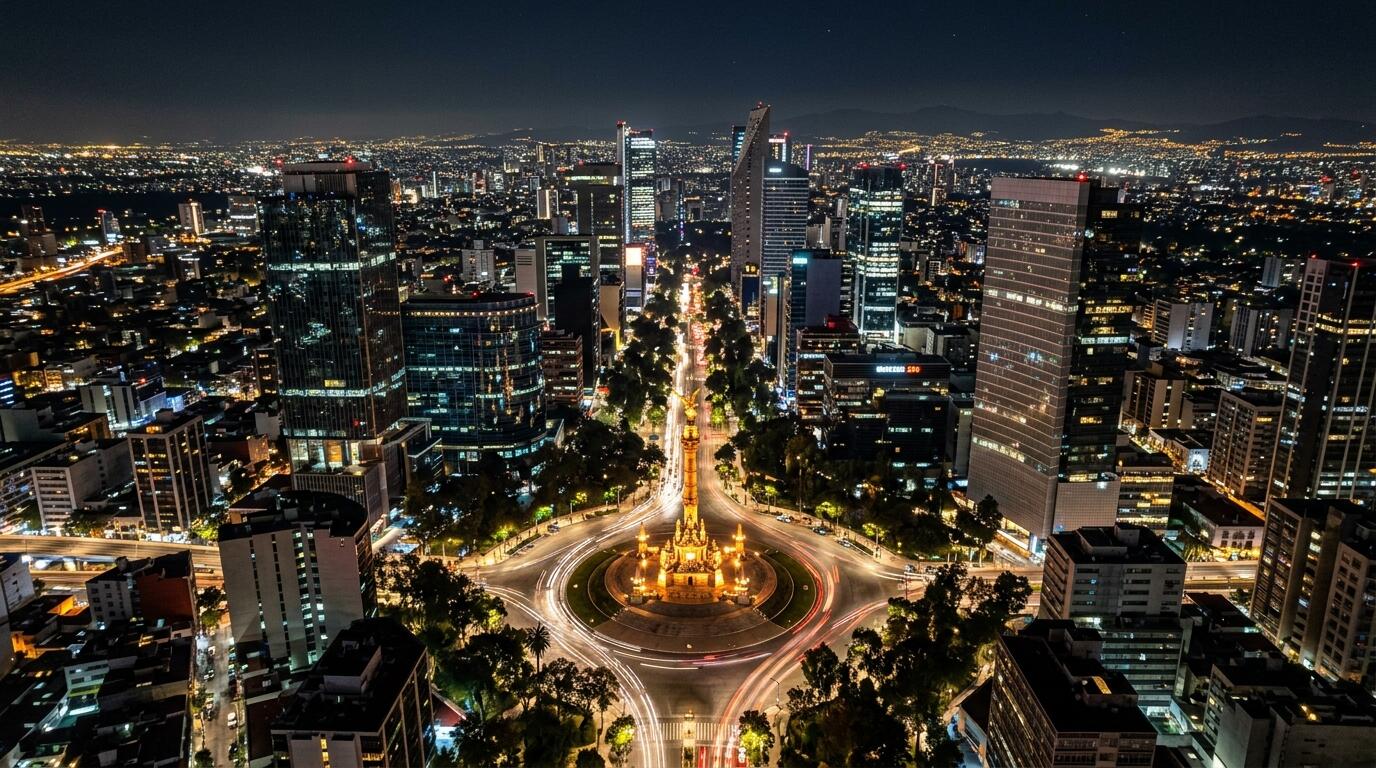
10 Safety Tips for Mexico City (CDMX) in 2026
Mexico City — CDMX — is a megacity of 22 million people that has undergone a remarkable transformation over the past decade. The tourist neighborhoods of Roma, Condesa, Polanco, Coyoacán, and San Ángel are genuinely safe, cosmopolitan, and full of excellent food, museums, and cultural experiences. The city hosted record tourism in 2024-2025, driven by a booming culinary scene, the "Nomad City" digital nomad community, and anticipation of the 2026 World Cup. These tips will help you navigate it safely.
Tip 1: Stay in the Right Neighborhoods
CDMX's tourist zone is well-defined. The safest areas for visitors are: Polanco (upscale, heavily secured), Condesa (Art Deco residential, excellent restaurants), Roma Norte/Sur (hipster neighborhood, very walkable), Coyoacán (Frida Kahlo territory, colonial charm), San Ángel (Saturday artisan market), and the Historic Center around the Zócalo (crowded but managed). These areas are comparable to safe urban neighborhoods in any major world city.
Tip 2: Avoid Express Kidnapping Taxis
This is CDMX's most serious tourist risk: fake taxis (called "pirate taxis") that drive victims to ATMs and demand cash withdrawals, or take them to isolated locations. Never hail a taxi from the street in Mexico City. Use only: Uber, DiDi, Cabify, or sitios (radio taxi companies called by phone). Your hotel concierge can call a trusted sitio. This rule must be followed without exception.
Tip 3: Uber and DiDi Are Your Best Friends
CDMX has excellent Uber and DiDi coverage throughout tourist areas. These apps provide driver tracking, route recording, and accountability that street taxis lack. Use them for every trip. Cost is very reasonable — a cross-city trip rarely exceeds $5-8 USD.
Tip 4: The Metro Is Safe — During Rush Hours and in Correct Cars
Mexico City's Metro system is excellent and tourists can use it safely, with precautions. Travel during daylight and non-extreme rush hours. Women and children should use the designated women-only cars (marked at the front of platforms). Keep valuables in interior pockets — pickpocketing is the primary metro crime. Lines 1, 2, and 3 cover most tourist destinations safely.
Tip 5: Keep Your Phone Out of Sight in Crowded Areas
Phone snatching (often from moving motorcycles) has increased significantly in CDMX in 2024-2025. Never walk while looking at your phone in less-secure areas. In outdoor markets, the Historic Center, and any crowded street, keep your phone in a secure inner pocket. At restaurants, keep it face-down on the table or better yet, in your bag.
Tip 6: The Historic Center Requires Extra Awareness
The Zócalo, Palacio de Bellas Artes, and surrounding Centro Histórico are impressive but crowded. Pickpocketing teams operate in crowded tourist spots. The Templo Mayor, National Museum of Anthropology (Chapultepec), and Frida Kahlo Museum are all safe with normal precautions — but keep your bag zipped and close to your body.
Tip 7: Altitude Adjustment — The Overlooked Safety Tip
Mexico City sits at 2,240 meters (7,350 feet) above sea level. Many visitors experience altitude sickness on arrival: headaches, fatigue, shortness of breath, and nausea. Take it easy the first 24-48 hours, drink extra water, avoid alcohol on the first night, and avoid strenuous exercise initially. Altitude sickness can mimic intoxication — be aware of how you feel.
Tip 8: Pollution and Air Quality
CDMX has chronic air quality issues, particularly in dry season (November-May) and when temperature inversions trap smog. Check the air quality index (IMECA) daily via the Aire CDMX app or website. On "contingency" days (red zone), limit outdoor exercise. Bring any necessary respiratory medications.
Tip 9: Restaurant and Food Safety
CDMX's food scene is extraordinary and generally safe. Stick to busy restaurants with high turnover — if locals are eating there, it's fine. Street food at established, busy taquerías is generally safe. Be cautious with water: drink bottled water always, even in restaurants (many upscale restaurants use filtered water for cooking and ice — ask).
Tip 10: Emergency Numbers and Medical Care
- Emergency: 911
- CDMX Tourist Police: +52 (55) 5533-5533
- Cruz Roja CDMX: +52 (55) 5395-1111
- Hospital Ángeles Polanco: +52 (55) 5169-8600 (excellent private hospital, English staff)
- Hospital ABC Santa Fe: +52 (55) 1103-1600
- U.S. Embassy Mexico City: +52 (55) 5080-2000
- LOCATEL (city information): +52 (55) 5658-1111
- SECTUR Hotline: 800 987-8224
- Polanco: Safest upscale area — Presidente InterContinental, St. Regis, W Hotel
- Condesa: Best for walkable neighborhood experience — boutique hotels and Airbnbs
- Roma Norte: Digital nomad and foodie hub — excellent mid-range options
- Santa Fe: Business district with large hotels — safe but requires transport for tourist areas
- Uber/DiDi: Primary recommended transport for all distances
- Metro: Acceptable for daytime travel with precautions; lines 1-3 cover tourist areas
- Metrobús (BRT): Safe and efficient on main corridors (Insurgentes line is key)
- Ecobici (bike share): Excellent for short trips in Roma/Condesa during daylight
- Avoid: Street taxis, late-night Metro, isolated bus routes
Recommended Areas to Stay
Getting Around CDMX
Get Your Personalized Safety Assessment
Visiting Mexico City? Get a personalized safety assessment tailored to your neighborhood, itinerary, and travel dates.
Get your personalized safety assessment →